
The decidedly English weather, which is at least preparing me for my imminent return, was the only discordant note during my visit to Sunshine Montessori School in Kitchener today. I was welcomed by owners Guy and Joanne McLean, the husband and wife team that are the inspiration behind the School, and Nancy Joyce who, amongst other things, oversees their Round Square commitment. I was here because of their involvement with Round Square, keen to see how they engage their pupils in a school that finishes when the children are 13 and so understand better the possibilities Round Square will offer for Ryde’s Junior School. At the same time, it was good to see a happy, purposeful and progressive school in operation, with children largely directing their own learning, lots of reflection, lovely use of space, classrooms that carried on when visitors arrived (and quickly involved them) and some innovative facilities such as highly mobile chairs that doubled as bag storage. Like all the excellent schools I have visited on this trip one is also immediately aware of the clear ethos and values of the School, and how they guide staff, pupils and, I presume, parents.
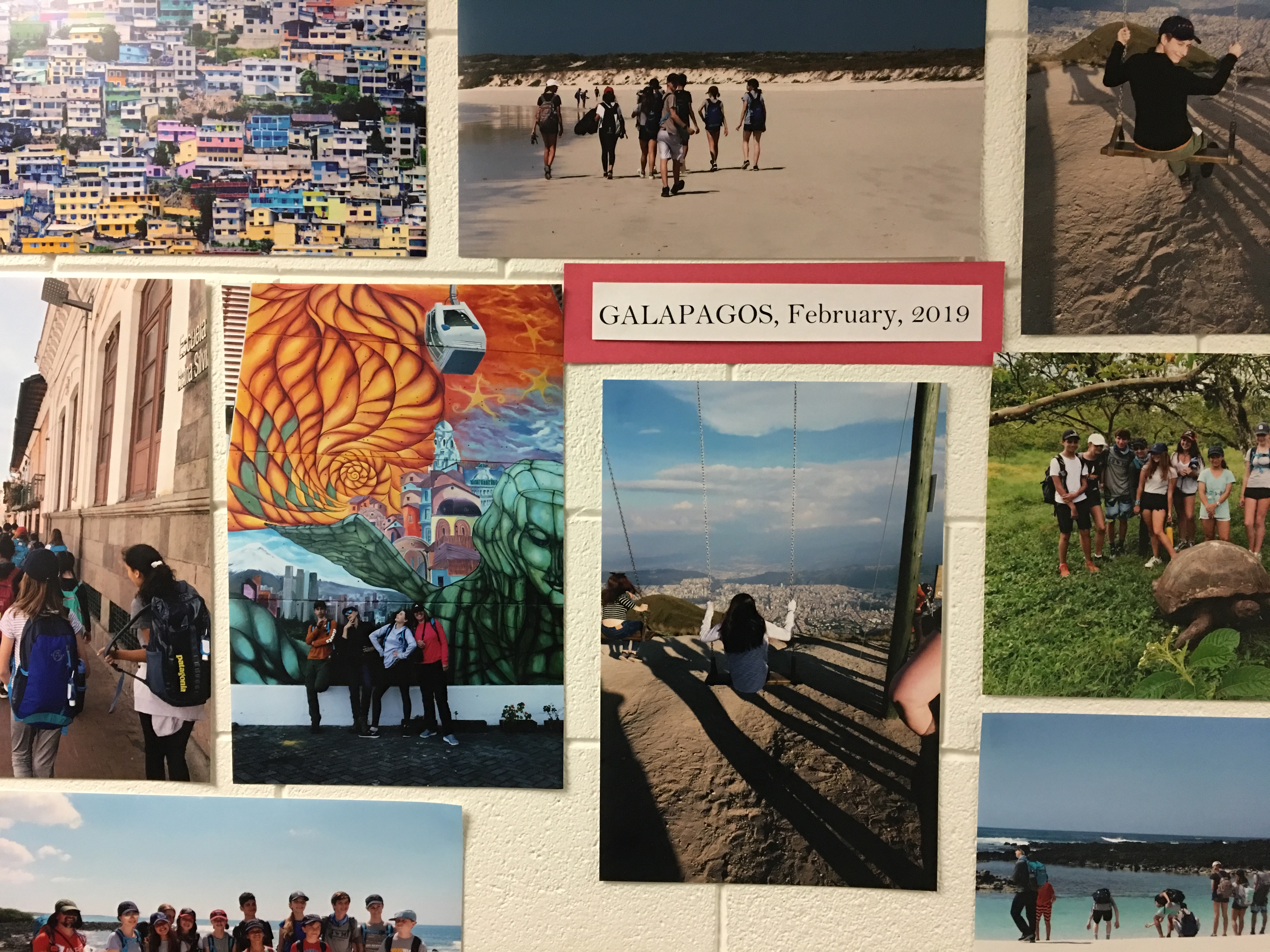
But I was primarily here to learn about Round Square, and the engagement of the younger children. I shouldn’t have been surprised to discover that the IDEALS of Round Square are as relevant to younger students as older ones – indeed, as Joanne said, children at this age have such an inherent sense of justice. What Sunshine Montessori cleverly does is to give sense and direction to that justice, and take what the School has always done but give it greater meaning. A tradition of fundraising has broadened to involve community service and engagement; children are expected to take responsibility for their development and grow the group as well as themselves and the children’s understanding of internationalism and environmentalism is growing through direct and indirect experience of visits and conferences made possible via Round Square. Guy and Joanne see little point in arranging school trips to the UK or the USA; the children will go there at some point with their parents or alone later. Rather, in the last two years alone, pupils, all below the age of 13, have travelled to Colombia, Kenya and the Galapagos Islands.
The numbers going are small, so they team up with two other schools in Utah and Miami, itself therefore a bonding experience. What impressed me was the conscious impact that these trips had on the whole community. Before leaving, projects were done on where the trip was heading by younger pupils who developed questions for those travelling. They would interact whilst they were away and then present on their visits on their return. The impact of working on community projects in Kenya for those 11 and 12 year olds must have been profound, but by reflection, engagement and reporting those trips were having an impact on the whole community. As a result, a small junior school in suburban Canada was engaging across two further continents. Our Ghana link achieves similar things I know, but I can now see we can engage children directly at a younger age.
The classic dilemma of a school is reconciling the obvious point that we learn best from failure with the need to maximise outcomes in national exams. The solution is to learn those lessons as early as possible, before national exams and curricula interfere. Sunshine Montessori not only understands this, but is doing it too. I admire the courage of the pupils who take these big transformative risks, but also the courage of their teachers and parents that are giving them the freedom to fly. I left Sunshine Montessori this afternoon with a little of their courage in me, and plenty of ideas to ensure that all pupils at Ryde, not just a select few, will benefit from our global programmes.
 Head Master, Mark Waldron's Blog